Adding Functional Space Without Adding to Your Home
Accessory Structures Including Garages, Sheds, and Workshops in Gig Harbor, Kitsap County, WA and surrounding areas
When your garage is full, your shed is falling apart, or you need a dedicated workspace away from your home, adding an accessory structure gives you functional square footage without the cost or disruption of a full addition. Many properties in Gig Harbor, Kitsap County, WA and surrounding areas have enough lot space for detached garages, storage sheds, or workshops, but zoning rules, setback requirements, and design choices affect what you can build and where. Structures that don't match your home's aesthetic or aren't built to handle year-round use often become liabilities rather than assets.
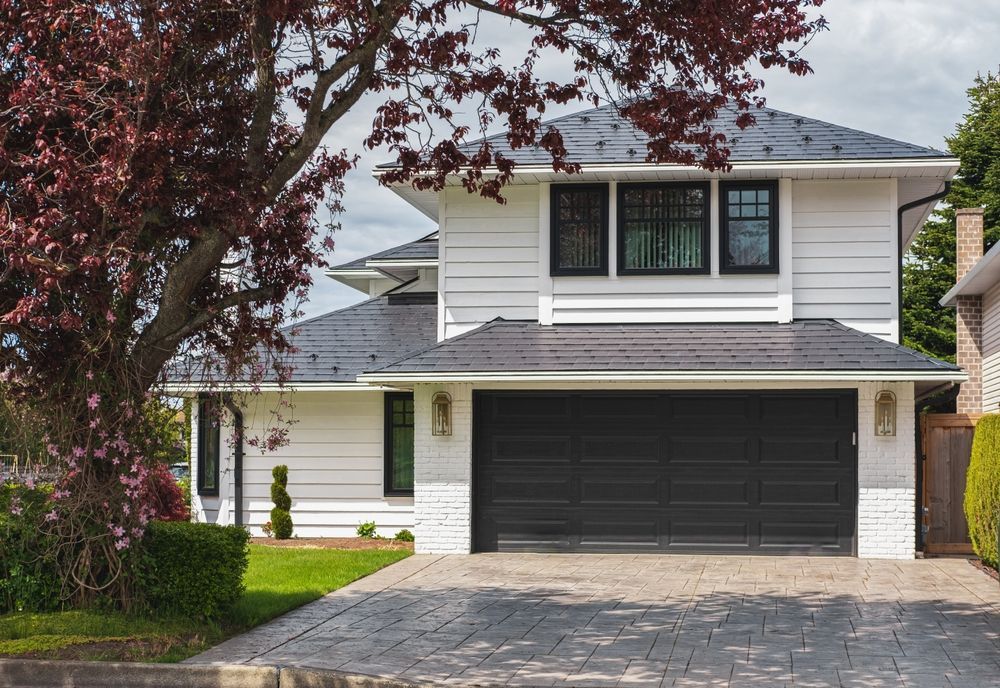
Icon Consulting & Construction, Inc. designs and constructs accessory structures for residential properties in Kitsap and Pierce Counties, including detached garages, storage sheds, and workshop spaces built for durability and year-round use. We match structure design to your existing home's aesthetics and navigate zoning and setback requirements when applicable. Our accessory buildings are framed, roofed, and sided to handle Pacific Northwest weather without warping, leaking, or losing structural integrity over time. These projects are popular for properties with larger lots where additional functional space adds value and usability.
If you're ready to add an accessory structure in Gig Harbor and Port Orchard, WA, and want to discuss layout and use needs, contact us to start planning.
What Goes Into Building a Detached Structure
Your accessory structure project begins with site evaluation, zoning review, and layout planning to determine where the building can be placed and how large it can be. In Gig Harbor and Port Orchard, WA, setback rules, lot coverage limits, and height restrictions vary by zoning district, and some neighborhoods have design standards that affect exterior finishes and roof pitch. We help you understand those requirements before starting design or ordering materials.
Once permits are approved, we build the structure using the same framing, roofing, and siding methods used for primary homes. You'll notice that doors open smoothly, windows are properly flashed, and the roof sheds water without leaks or pooling. Interior spaces are framed to accommodate insulation, electrical service, and shelving or workbenches if you plan to use the building year-round. Concrete slabs are poured with proper base preparation and drainage so floors remain level and crack-free.
We coordinate foundation work, framing, roofing, and exterior finishes to match your timeline and budget. Our structures include roll-up garage doors, pedestrian entry doors, windows, and ventilation as needed based on intended use. This work does not include interior finishing, cabinetry, or utility hookups beyond basic electrical service, but it prepares the building for those upgrades if you choose to add them later.
Details Property Owners Want Clarified Before Building
Clients often ask about zoning rules, design options, and construction timelines before committing to an accessory structure project.
What zoning rules apply to accessory structures in Gig Harbor?
Zoning rules vary by district and include setback distances from property lines, maximum building height, and lot coverage limits. We review your property's zoning and help you determine what size and placement options are allowed.
How do you match the structure to my home's design?
We match roof pitch, siding materials, trim details, and color to your existing home so the accessory structure looks intentional rather than added as an afterthought. Design consistency supports property value and neighborhood aesthetics.
How long does it take to build a detached garage or workshop?
Most accessory structures take four to eight weeks from permit approval to completion, depending on size, weather, and site conditions. Foundation work, framing, and roofing account for most of the timeline.
What foundation type is used for accessory structures?
Most accessory structures are built on concrete slabs with thickened edges and gravel base. The slab provides a level, durable floor and eliminates the need for crawlspace access or additional framing.
Why build a detached structure instead of adding to my home?
Detached structures cost less per square foot, avoid disrupting your home during construction, and provide separation between living space and storage or work areas. They're ideal for properties with available lot space and specific functional needs.
Icon Consulting & Construction, Inc. builds accessory structures for homeowners in Kitsap and Pierce Counties who need additional functional space without expanding their primary home. If you're planning a garage, shed, or workshop in Gig Harbor, reach out to discuss your property and intended use.